
Blog
What Is the Recovery Process for Brachioplasty?
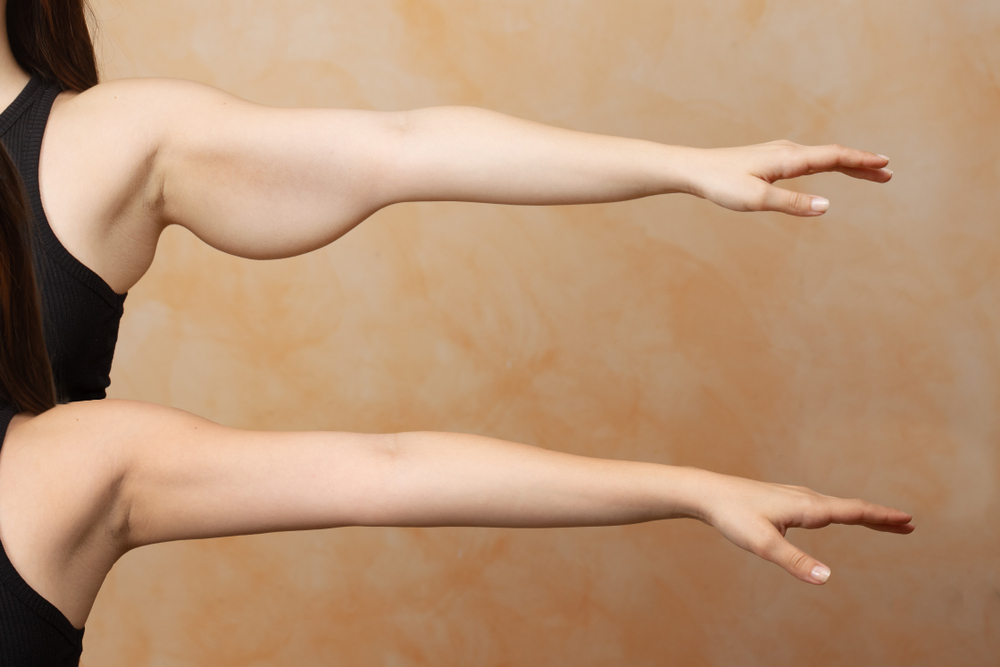
Brachioplasty (commonly known as an arm lift) is a surgical procedure designed to remove excess skin and fat from the upper arms, creating a firmer, more contoured appearance. Many patients seek brachioplasty after significant weight loss, aging-related skin laxity, or when exercise alone cannot address loose skin. Understanding the recovery process is an important part of preparing for surgery. While each patient heals at a slightly different pace, knowing what to expect can help you plan ahead and feel confident throughout your recovery.
The First 24-72 Hours After Surgery
Immediately after brachioplasty, it’s normal to experience swelling, bruising, tightness, and mild to moderate discomfort in the upper arms. These symptoms are typically well controlled with prescribed pain medication and gradually improve over the first few days.
Your arms will be wrapped in compression bandages or placed in a compression garment to minimize swelling and support healing tissues. You may also have small surgical drains placed temporarily to prevent fluid buildup. Keeping your arms elevated when resting can help reduce swelling and improve comfort.
Most patients are encouraged to begin gentle movement soon after surgery to promote circulation, but strenuous activity should be avoided.
The First Week of Recovery
During the first week, swelling and bruising will begin to subside, though your arms may still feel tight or sore. Many patients are able to return to light daily activities within several days, as long as they avoid lifting, pushing, or pulling.
Follow-up appointments are typically scheduled during this time to monitor healing, remove drains if present, and ensure incisions are progressing well. It’s essential to follow all postoperative instructions carefully, including wound care, compression garment use, and activity restrictions.
Weeks Two to Four
By the second week, many patients feel significantly more comfortable and begin to see early improvements in arm contour. Sutures are usually removed or dissolve on their own during this phase.
Light exercise, such as walking, is generally encouraged, but upper body workouts and heavy lifting should still be avoided. Most patients can return to work within 1-2 weeks, depending on the physical demands of their job.
Swelling may persist but continues to gradually decrease. Wearing compression garments as directed helps support optimal healing and final results.
Long-Term Healing and Scar Maturation
Full recovery from brachioplasty takes several months. While most swelling resolves within 6-8 weeks, subtle swelling and firmness may continue to improve over time.
Scars are an inevitable part of brachioplasty, typically located along the inner or back portion of the upper arm. Initially, scars may appear red or raised, but they generally fade and soften over the course of several months to a year. Proper scar care, sun protection, and following your surgeon’s recommendations can significantly improve their appearance. Final results become more apparent as swelling resolves and tissues fully settle.
Tips for a Smooth Recovery
Follow all postoperative instructions carefully
Wear compression garments as directed
Avoid strenuous activity until cleared by your surgeon
Maintain a healthy diet and stay hydrated
Attend all scheduled follow-up appointments
Your surgeon and care team play an essential role in guiding you through recovery and addressing any concerns along the way.
Start Your Arm Lift Journey Today
Recovery from brachioplasty is a gradual process that requires patience, proper care, and adherence to postoperative guidelines. While initial swelling and discomfort are expected, most patients find the recovery manageable and well worth the long-term improvement in arm contour and confidence. With expert surgical care and attentive follow-up, brachioplasty can deliver lasting, natural-looking results.
If you’re considering brachioplasty and would like to learn more about the procedure and recovery process, schedule a consultation with Jason K. Potter, MD, DDS today. Contact our office in Dallas, Texas, by calling (214) 892-2474 to book an appointment.
CONTACT INFORMATION


2026 © Jason K Potter MD DDS - All Rights Reserved - Powered by: 