
Blog
Skin Grafts & Flaps: How They Restore Facial Tissue After Injury or Cancer
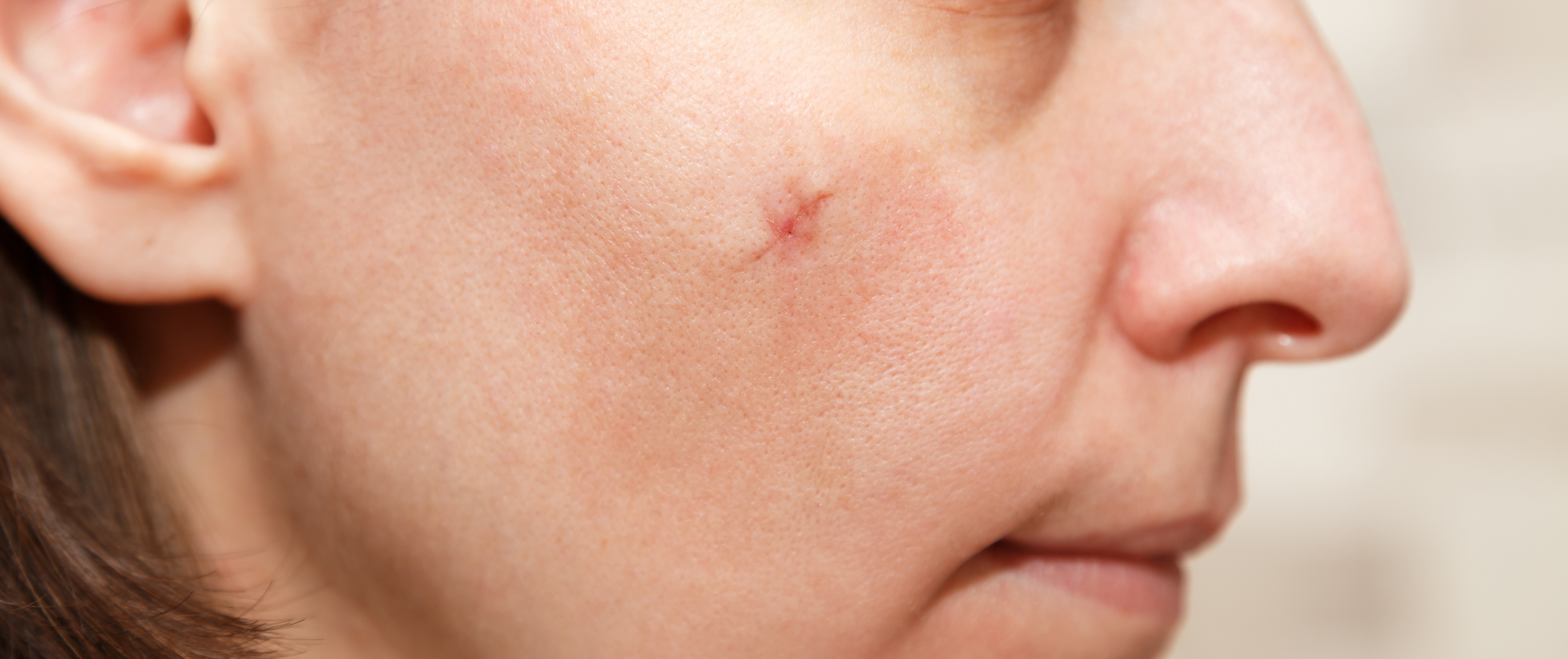
Facial tissue damage can happen after an injury, burn, surgery, or skin cancer removal. Because the face plays such an important role in expression, appearance, breathing, eating, and eye protection, reconstruction must be planned carefully. Skin grafts and flaps are two common techniques used to restore facial tissue and help the area heal as naturally as possible.
At Jason K Potter MD DDS in Dallas, we understand that facial reconstruction is about more than closing a wound. The goal is to restore structure, protect function, and support a result that blends with your natural features.
What Is A Skin Graft?
A skin graft uses healthy skin taken from another area of the body to cover a wound. The donor skin is placed over the damaged area, where it gradually connects with the tissue underneath as it heals. Skin grafts may be used when there is not enough nearby skin to close the wound directly.
For facial reconstruction, the surgeon carefully considers the color, texture, and thickness of the donor skin. While a graft can be an effective way to restore coverage, it depends on the wound bed having enough blood supply to support healing.
What Is A Flap?
A flap is different from a skin graft because it keeps its own blood supply as it is moved into position. A flap may include skin, fat, muscle, or other tissue depending on what needs to be repaired. In many facial areas, flaps are helpful because they use nearby tissue that often matches the surrounding skin more closely.
Flaps may be used to restore more complex areas of the face, such as the nose, eyelids, lips, cheeks, or forehead. These areas require careful planning because even small changes can affect facial movement, symmetry, and function.
When Are Skin Grafts Or Flaps Recommended?
Skin grafts and flaps may be considered after several types of facial tissue loss, including:
- Skin cancer removal, including Mohs surgery defects
- Traumatic injuries or lacerations
- Burns or damaged skin
- Surgical wounds that cannot close on their own
- Tissue loss involving the nose, eyelids, lips, or cheeks
- Scarring or contour changes that need reconstruction
- Areas where function and appearance both need support
The right approach depends on the size, depth, location, and condition of the tissue being repaired.
How A Surgeon Chooses The Right Technique
Choosing between a skin graft and a flap is not one-size-fits-all. A facial reconstruction plan may depend on how much tissue is missing, whether cartilage or bone is exposed, how the surrounding skin moves, and whether important structures such as the eyelids, nostrils, or lips are involved.
In Dallas, patients often seek facial reconstruction after skin cancer treatment. In these cases, it is important to restore the area after the cancer has been fully removed while also protecting facial balance and function. The surgeon may plan incisions along natural creases or borders to help scars blend more discreetly over time.
What Recovery May Involve
Recovery after a skin graft or flap depends on the type of repair and the area treated. Some swelling, bruising, tightness, or tenderness is expected at first. Patients are usually given detailed instructions for wound care, activity limits, sun protection, and follow-up visits.
Healing continues long after the surface skin closes. Scars often change for several months as redness fades and tissue softens. Protecting the area from sun exposure is especially important because UV exposure can darken scars and affect the final appearance.
Why Experience Matters In Facial Reconstruction
Facial reconstruction requires both surgical precision and an understanding of facial anatomy. The goal is not only to repair the wound, but also to preserve how the face looks and works. This is especially important in visible or delicate areas where small details matter.
A personalized consultation allows your surgeon to evaluate the tissue, explain your options, and recommend a plan based on your medical history, reconstruction needs, and goals.
To learn more about skin grafts, flaps, and facial reconstruction, contact Jason K Potter MD DDS in Dallas, TX at 9101 N Central Expy Ste 600, Dallas, TX 75231, or call 214-892-2474 to schedule a consultation.
CONTACT INFORMATION


2026 © Jason K Potter MD DDS - All Rights Reserved - Powered by: 